

Three Signs Things Are Changing Around EdTech
A guest essay by a parent who has opted her 6th grader out of the 1:1 Chromebooks-- and the ripple effects that are occurring in the classroom

Note from Emily: Though my Unplug EdTech Toolkit has over 3K downloads, opting out is not actually the end goal— it is the means to an end. What end? Well, the end of the current EdTech industry’s attempt to redefine education, for starters. But really, the end to the reckless, harmful, and extractive use of tech for tech’s sake; the end of sidelining experts (aka educators) over technologists and AI-enthusiasts; the end of high-stakes testing and forced time on platforms like iReady, to name a few. Things are definitely changing, as I have written about before, and not as quickly as we may like, but there are already signs of shift, as evidenced by this week’s guest essay, by a parent of a 6th grader who did not use a 1:1 Chromebook in school this year.
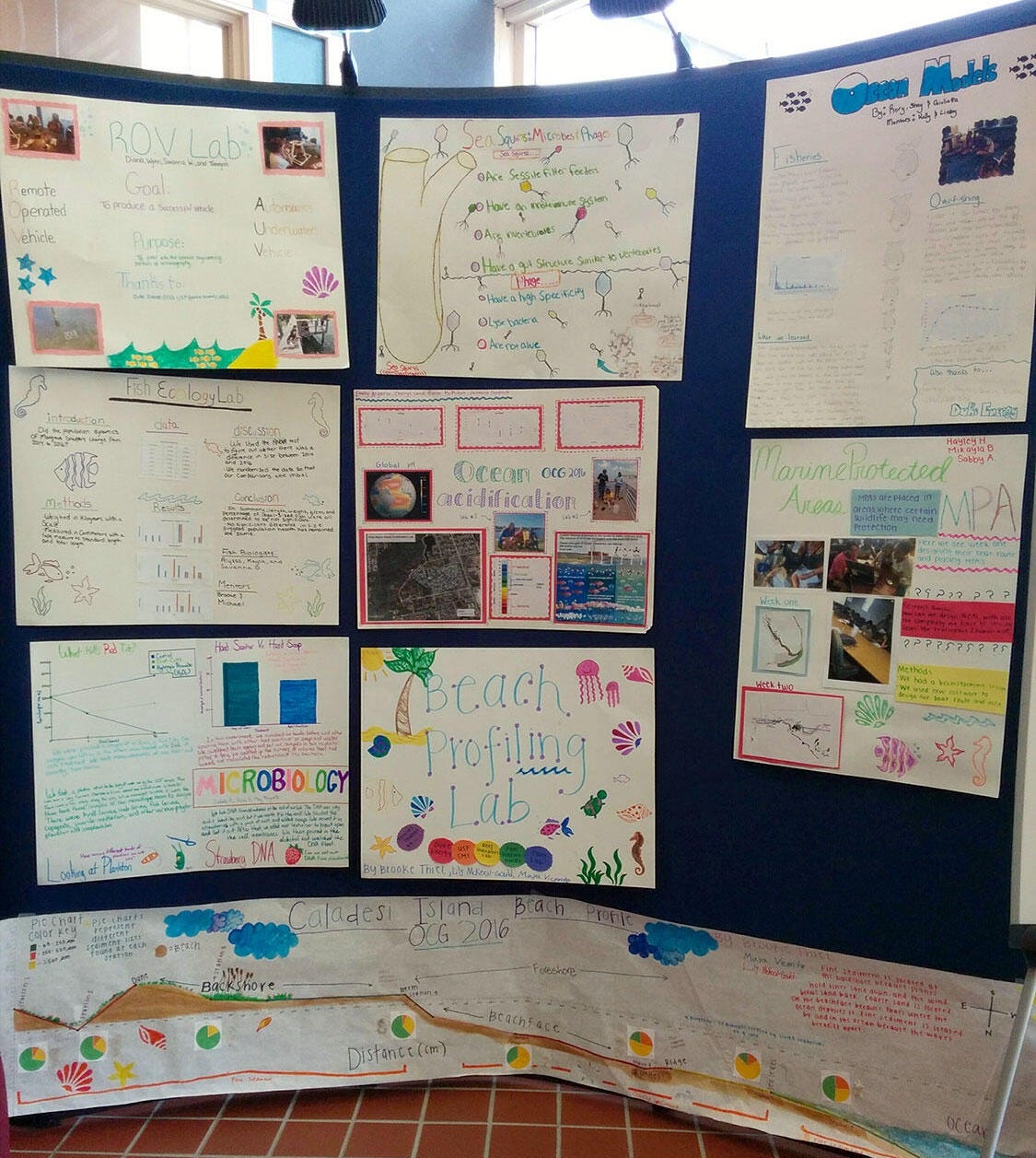
My daughter recently completed 6th grade. For a majority of the school year, she was the only student out of approximately 750 middle schoolers without a school-issued device. (Two other students opted out three quarters through the school year!) My daughter completed in-class assignments on paper and homework in workbooks while her classmates were distracted by the internet and harmed by EdTech. Some of her classmates were jealous when she used poster board and Legos for presentations while they used PowerPoint.
The opt out was not perfect. My daughter shared a device with a partner in order to take part in gamified EdTech quiz programs, such as Blooket and Kahoot, as well as in science class because the curriculum, Amplify, is 100% digital.
But based on my daughter’s reports of her classes, something interesting happened as the school year progressed. The use of technology decreased around her, not only as instructed by her teachers, but through student choice as well.
First, during the last month or two of the school year, teachers communicated that students would complete presentations on poster board instead of PowerPoint. This included science, history, and math classes - reading and writing classes were already mostly analog throughout the year. In one class, students groaned when they found out they were to use poster board. But when the teacher changed his mind a week later and offered PowerPoint as an option, a majority of students still chose poster board. The teacher had to improvise and find additional supplies because he didn’t have enough poster board for all of the students!
Second, as the year went on, my daughter’s history teacher began to offer paper copies for research rather than only having students review preselected articles online through the school portal. Early in the school year, the teacher provided paper copies mainly for my daughter. When the teacher started to offer students a choice between paper or online, more and more students gravitated toward the paper copies. Sometimes the teacher did not have enough copies and students had to share!
And last but not least, near the end of the school year the school’s administration asked families how they felt about devices through an online survey. The survey was mainly geared toward receiving feedback about family engagement and communication, but a small portion included questions about screentime during class and lunch as well as student use of school-issued devices at home, indicating that school leadership might be listening.
Things are changing!
JPB
Are you seeing or hearing about similar changes in your schools? If you’d like to share your own story as a guest essay, please email info@thescreentimeconsultant.com. Stories can be shared anonymously.